How to Create Engagement in an Online Group That Actually Builds Community
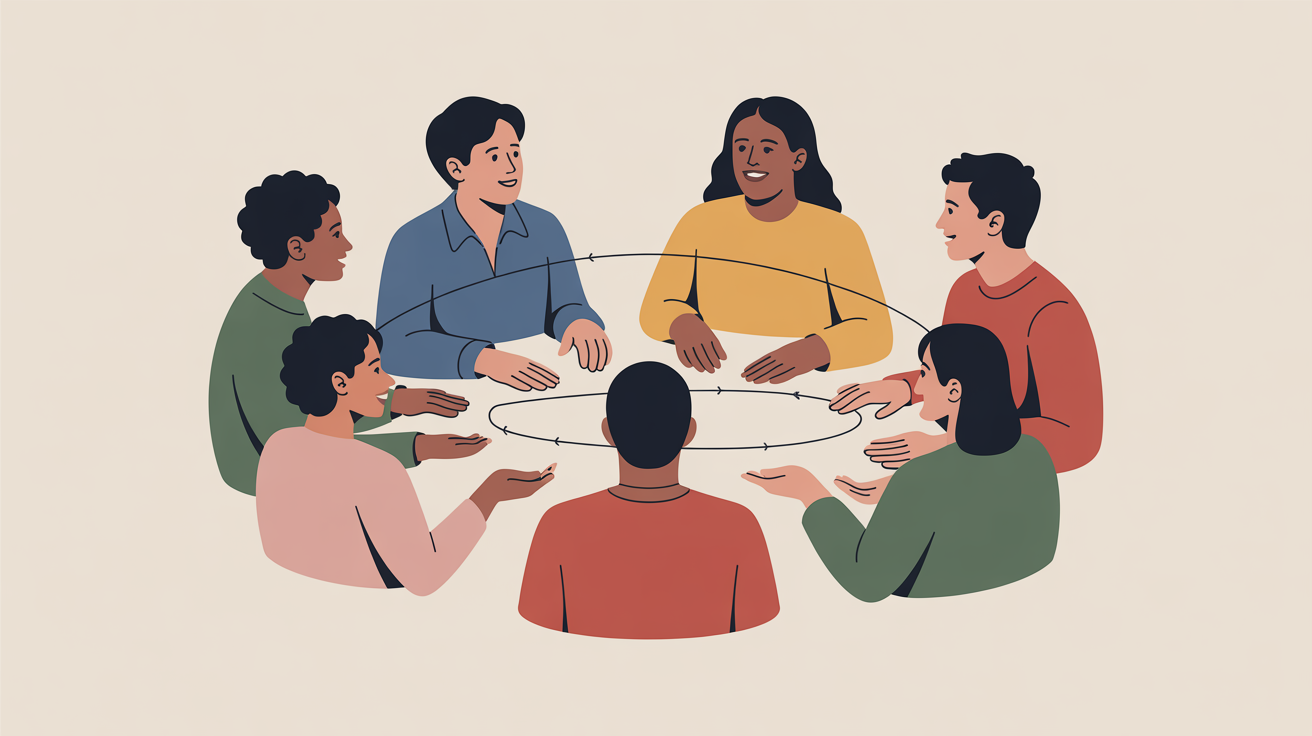
If you’re trying to figure out how to create engagement in an online group, the real question is not how to get more activity.
It’s how to create a space people want to return to.
Most group owners focus on posts, prompts, and tactics. And yes, those matter. But if you’ve explored From Broadcasting to Belonging, you already understand something deeper.
Engagement is not just about interaction.
It’s about connection, continuity, and shared thinking.
When those are present, engagement happens naturally. When they are not, no tactic will fix it for long.
What Does Engagement in an Online Group Really Mean?
Engagement is often measured by likes, comments, and posts.
But those are surface signals.
Real engagement looks different:
People respond thoughtfully, not just quickly
Conversations continue beyond one post
Members recognize and interact with each other
Ideas evolve over time
This is the difference between a busy group and a meaningful one.
Why Most Online Groups Struggle With Engagement
Most groups are built like content feeds.
The creator posts. Members react. Then everything resets the next day.
There is no thread connecting one interaction to the next.
This creates a subtle problem. Even if people participate occasionally, they don’t feel part of something.
They feel like visitors.
And visitors don’t stay engaged.
The Shift: From Activity to Shared Conversation
Here’s the shift that changes everything.
Instead of asking, “How do I get more engagement?”
Start asking, “How do I create ongoing conversation?”
Because conversation creates continuity.
And continuity creates belonging.
The ideas you already have, surveys, polls, questions, live sessions, they all work better when they are connected to something larger.
10 Engagement Ideas, Reimagined for Community
Let’s take the original tactics and sharpen them so they actually build connection, not just clicks.
1. Use Surveys to Start Conversations
Don’t just collect answers. Share what you notice. Ask follow-up questions. Let people respond to each other.
2. Turn Polls Into Perspectives
Always ask “why” in the comments. The value is not in the vote. It is in the thinking behind it.
3. Run Contests That Encourage Expression
Instead of just chasing likes, invite people to share stories, experiences, or insights. Make it about participation, not just winning.
4. Ask Open-Ended Questions That Invite Reflection
The best questions are not easy to answer. They make people pause, think, and respond with intention.
5. Invite Members to Contribute, Not Just Consume
When people go live or share ideas, they shift from audience to participant. That is a powerful identity change.
6. Host Live Events That Build Continuity
Reference past discussions. Bring ideas forward. Let each session feel like part of an ongoing dialogue.
7. Share Content That Sparks Thought, Not Just Attention
It’s not about volume. It’s about resonance. Choose content that makes people think and respond.
8. Empower Community Leaders
When members help guide conversations, the group becomes less dependent on you and more alive overall.
9. Offer Resources That Deepen the Experience
Downloads and tools are great, but tie them back to conversations happening in the group.
10. Create Clear Rules That Support Thoughtful Engagement
Psychological safety matters. People engage more when they know the space is respectful and constructive.
The Deeper Layer Most People Miss
Here’s the part that matters most.
Engagement is not created by doing more.
It is created by creating meaning.
People do not show up consistently because you post daily.
They show up because something in the group feels worth returning to.
This is where many group owners get stuck. They increase frequency, try new tactics, or add more content.
But what actually drives engagement is:
shared ideas
ongoing conversations
a sense that participation matters
This is slower to build.
But once it exists, it becomes self-sustaining.
Your Role Is Not to Entertain. It Is to Convene.
This is the mindset shift that changes everything.
You are not just there to post content.
You are there to create a space where people can think, respond, and connect with each other.
That means:
- asking better questions
- noticing patterns in conversations
- bringing ideas back into the spotlight
- making members feel seen and valued
When you do this well, engagement stops being something you chase.
It becomes something your group generates naturally.
Conclusion
Creating engagement in an online group is not about finding the perfect tactic.
It is about creating an environment where people feel part of something.
You can use surveys, polls, live events, and content.
But the real work is in how you use them.
When you focus on conversation, continuity, and connection, your group stops being a place people visit.
It becomes a place they belong.
N.B. Post revised 2026.
Ready to go deeper?